Mental health support in 2026 is more visible, more discussed, and in many ways more accessible than at any point in recent history. The stigma that once discouraged people from acknowledging depression, anxiety, burnout, and other mental health challenges has significantly reduced — particularly among younger generations who have grown up in a cultural environment that treats mental health as a component of overall health rather than a personal failing. The challenge in 2026 isn’t awareness: it’s translating that awareness into accessible, effective mental health support for the people who need it.
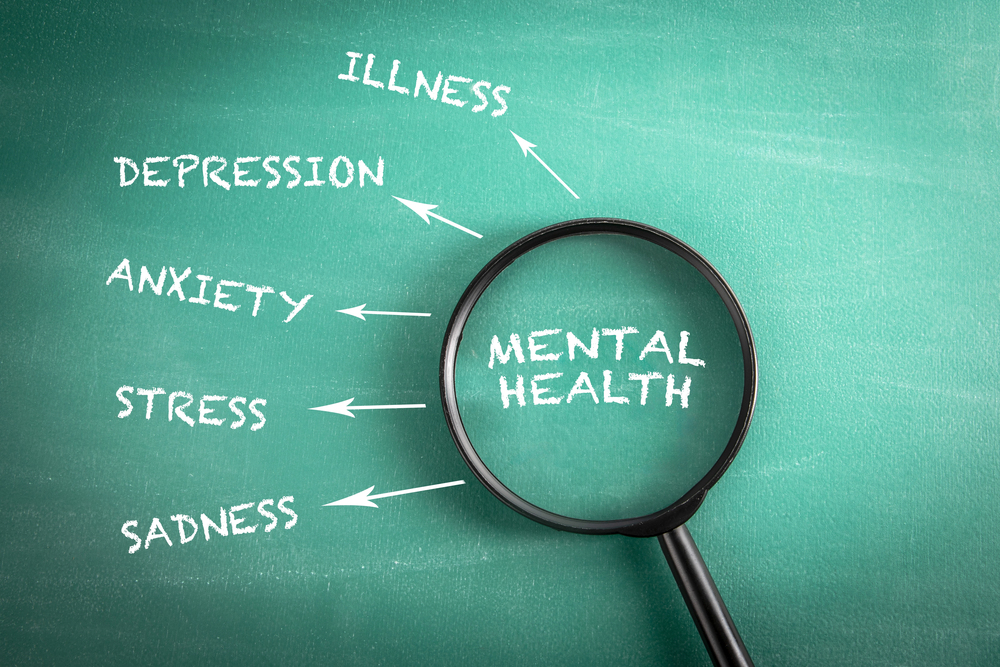
What Has Changed in Mental Health Support
Several significant changes have reshaped the mental health support landscape in 2026. Teletherapy has matured from a pandemic-era workaround into a primary care delivery modality for many therapists and clients. Digital mental health tools — apps, AI-assisted support, and online communities — have proliferated and, in some cases, developed genuine evidence bases. Employer mental health benefits have expanded beyond the traditional Employee Assistance Program, with more employers offering therapy sessions, mental health days, and coaching as standard benefits. And the clinical research base for treatments including psychedelic-assisted therapy has advanced significantly, with regulatory approvals expanding in multiple jurisdictions.
What Actually Works: Evidence-Based Mental Health Support
Cognitive Behavioral Therapy (CBT) remains the gold standard of evidence-based mental health support for depression, anxiety disorders, OCD, PTSD, and a range of other conditions. CBT’s core mechanism — identifying and reframing distorted thought patterns that drive distressing emotions and behaviors — has been validated in more clinical trials than any other psychological intervention. It’s available through traditional in-person therapy, structured digital programs, and a hybrid of both. For most anxiety and depressive disorders, CBT produces clinically significant improvement in 12-20 sessions.
Exercise is one of the most consistently undervalued forms of mental health support in clinical practice. Multiple meta-analyses have confirmed that regular aerobic exercise produces antidepressant effects comparable to medication for mild to moderate depression, with the additional benefits of improved sleep, physical health, and self-efficacy. Even modest amounts — 30 minutes of moderate intensity activity three to five times per week — produce measurable mental health benefits. Physical activity is not a replacement for professional treatment in serious mental illness, but it’s a powerful complement to any mental health support strategy.
Digital Mental Health Support: What Helps and What Has Limits
Digital mental health tools have proliferated dramatically in recent years, and the quality varies enormously. The most rigorously validated digital mental health support tools are structured CBT-based programs like SilverCloud, Wysa, and Woebot, which have clinical trial data supporting their effectiveness for mild to moderate depression and anxiety. These tools work best as complements to professional care or as early interventions for people experiencing mild symptoms who aren’t yet ready or able to access therapy.
Meditation and mindfulness apps like Calm and Headspace have demonstrated benefits for stress reduction and sleep quality, though their evidence base for clinical mental health conditions is more limited. AI-assisted support tools are advancing rapidly, with some showing promise for between-session support in structured therapy programs — but no AI tool is currently a substitute for professional mental health treatment in cases of significant distress or complex mental health conditions.
Finding Mental Health Support in 2026
Teletherapy platforms have significantly expanded access to licensed therapists by removing geographic barriers. Services like Alma, Headway, and Psychology Today’s therapist directory connect clients with licensed providers who accept insurance in their state. For people without insurance or with financial constraints, community mental health centers offer sliding-scale services, and many therapists offer reduced rates for clients with demonstrated financial hardship. Most states now have mental health parity laws requiring insurance coverage for mental health treatment comparable to coverage for physical health conditions.
The Most Important Step
If you’re experiencing persistent low mood, anxiety that interferes with daily functioning, or other mental health symptoms that aren’t resolving with self-care strategies, the single most important mental health support step you can take is talking to a professional. The evidence for effective treatment is strong, and the gap between experiencing mental health symptoms and accessing effective mental health support is much smaller in 2026 than it has been at any previous point. The first appointment is often the hardest step — what comes after it is, for most people, significantly less difficult than they anticipated.