Solo travel has become one of the fastest-growing travel categories in 2026, and this complete solo travel guide is designed to help you understand both the rewards and the practical realities. More people are traveling alone now than at any point in recorded history — driven by more single-person households, the flexibility enabled by remote work arrangements, better tools for planning and navigation, and a cultural shift that has made solo travel aspirational rather than unusual. This solo travel guide covers everything you need to know, from understanding why it’s worth doing to choosing where to go and how to stay safe.
Why Solo Travel Is Worth Doing: More Than Just Freedom
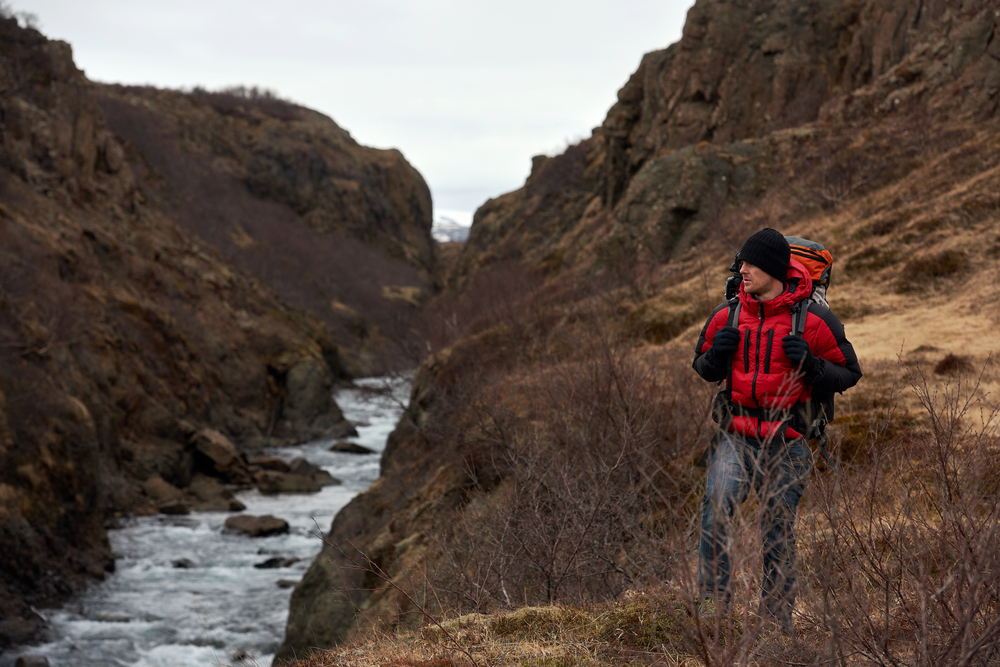
The most obvious benefit of solo travel — freedom to go where you want, when you want, at whatever pace suits you — is real and significant. But the deeper benefits documented by solo travelers are often more meaningful. Solo travel places you in situations where you must navigate independently, make decisions without consensus, and initiate interactions with strangers. These experiences build a form of self-reliance and confidence that’s genuinely difficult to develop in any other way. Many experienced solo travelers describe their first solo trip as a pivotal experience that changed how they relate to uncertainty and their own capabilities.
Social connection, counterintuitively, is often richer during solo travel than group travel. When you travel alone, you’re more approachable to locals and to other travelers, more likely to accept an invitation or start a conversation, and more present in each environment because you’re not maintaining a pre-existing social dynamic. The friendships formed during solo travel are frequently cited by travelers as among the most memorable social experiences of their lives.
Solo Travel Safety: A Realistic Assessment
This solo travel guide would be incomplete without an honest assessment of safety. The reality: the vast majority of solo travel experiences are safe for people who travel thoughtfully. Several practices reduce risk meaningfully without significantly limiting your experience. Research your destination specifically — country-level safety assessments are far too broad to be useful; look at the specific cities and neighborhoods you’ll be visiting. Share your itinerary with someone at home. Stay in well-reviewed accommodation, particularly for your first nights in each new location. Use registered transportation rather than unmarked vehicles. Trust your instincts in social situations and give yourself permission to exit any situation that feels uncomfortable.
Solo female travelers face additional considerations that this guide acknowledges directly: research destination-specific context for women traveling alone, connect with online communities of solo female travelers who share specific and current advice for each destination, and trust firsthand accounts from other women about specific places and situations.
Best First Destinations for Solo Travel
Japan is the most consistently recommended first solo travel destination in 2026 — consistently rated among the world’s safest countries, with an exceptional public transportation system, clear English signage, and a culture that is respectful and helpful toward visitors navigating independently. Portugal is an excellent European alternative: safe, affordable relative to Western European peers, easy to navigate, and with English widely spoken. New Zealand combines first-world infrastructure, English as the primary language, and extraordinary natural beauty that rewards solo exploration. Taiwan offers safety, affordability, a vibrant culture, and some of Asia’s best food in a compact, easily navigable geography.
Practical Solo Travel Planning Tips
For your first solo trip, this guide recommends starting shorter: a long weekend or five days before committing to a multi-week journey. Book your first and last nights’ accommodation in advance; the middle of your trip can be more flexible. Download offline maps for your destination — Google Maps offline mode is reliable for most destinations. Join the r/solotravel community on Reddit for destination-specific advice from experienced solo travelers. Pack lighter than you think you need to: solo travelers manage their own luggage at every step, and over-packing is one of the most common and avoidable mistakes.