How much sleep do you need each night? It’s a question most people think they know the answer to — and research suggests most people are wrong, specifically in the direction of overestimating how well they function on insufficient sleep. The science of sleep has advanced substantially, and the consensus is clearer than ever: how much sleep you need is not a lifestyle preference to be optimized around your schedule. It’s a biological requirement with measurable, significant consequences for health, cognition, and longevity when unmet.
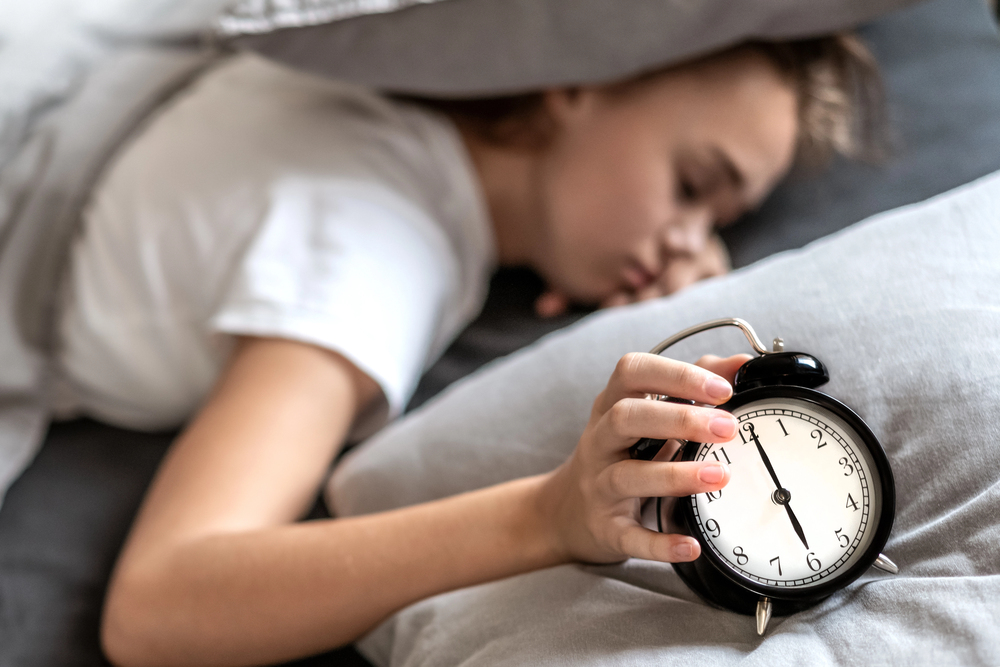
How Much Sleep Do You Need: The Scientific Consensus
The National Sleep Foundation, the American Academy of Sleep Medicine, and the World Health Organization all converge on the same answer: adults need 7 to 9 hours of sleep per night. Not 7 to 9 hours in bed — 7 to 9 hours of actual sleep. This means that if you spend 8 hours in bed but take 45 minutes to fall asleep and wake twice during the night, you may only be getting 6 to 6.5 hours of actual sleep — below the minimum threshold for most adults.
The question of how much sleep you need also has an individual component within the 7-9 hour range. Some people genuinely function optimally at 7 hours; others require closer to 9. The clearest indicator is how you feel after consistently sleeping for a particular duration without an alarm to wake you. If you wake naturally after 7.5 hours feeling rested and alert, that’s likely your individual sleep need. If you consistently oversleep on weekends, you’re likely accumulating a sleep deficit during the week.
What Happens When You Get Less Sleep Than You Need
Sleep deprivation research is unambiguous about the consequences of regularly getting less sleep than you need. After just one week of sleeping 6 hours per night, cognitive performance — measured by reaction time, working memory, and problem-solving ability — declines to levels equivalent to being legally intoxicated, according to research from the University of Pennsylvania. Critically, severely sleep-deprived individuals consistently underestimate how cognitively impaired they are, making them poor judges of their own performance deficits.
The longer-term health consequences of chronic sleep deprivation are equally serious. Insufficient sleep is associated with significantly elevated risk of cardiovascular disease, type 2 diabetes, obesity (through disruption of appetite-regulating hormones), immune dysfunction, depression, and accelerated cognitive aging. A major study from the UK Biobank cohort, published in the journal Nature Communications, found that consistently sleeping 5 hours or less per night at age 50 was associated with a 30% higher risk of developing multiple chronic diseases compared to those sleeping 7 hours.
How Much Sleep Do You Need: Debunking the Short Sleeper Myth
A common rationalization for insufficient sleep is that the individual is a ‘short sleeper’ — one of the rare people who genuinely function well on 6 hours or less. Genuine short sleepers exist: they carry a specific genetic mutation, and researchers estimate they represent approximately 1-3% of the population. The other 97-99% of people who believe they function fine on 6 hours have typically adapted to functioning in a state of chronic impairment and lost the ability to accurately compare it to full cognitive performance. The scientific test: if you set no alarm and sleep until you wake naturally, feeling genuinely rested, for how long do you sleep? If the answer is consistently 7.5-8.5 hours, you are not a genetic short sleeper.
How to Get the Sleep You Actually Need
The most evidence-supported behavioral change for improving both sleep duration and quality is maintaining consistent sleep and wake times — including weekends. This single change, more than any supplement, device, or evening routine, has the largest and most consistent effect on sleep architecture. Keep your bedroom cool: the body’s core temperature must drop to initiate and maintain sleep, and an ambient temperature of approximately 65-68°F (18-20°C) significantly improves sleep quality. Limit alcohol: while alcohol may accelerate sleep onset, it fragments REM sleep and reduces overall sleep quality. And avoid screens emitting blue light within 30-60 minutes of bedtime.