Foods That Reduce Inflammation: Turmeric and the Curcumin Mechanism
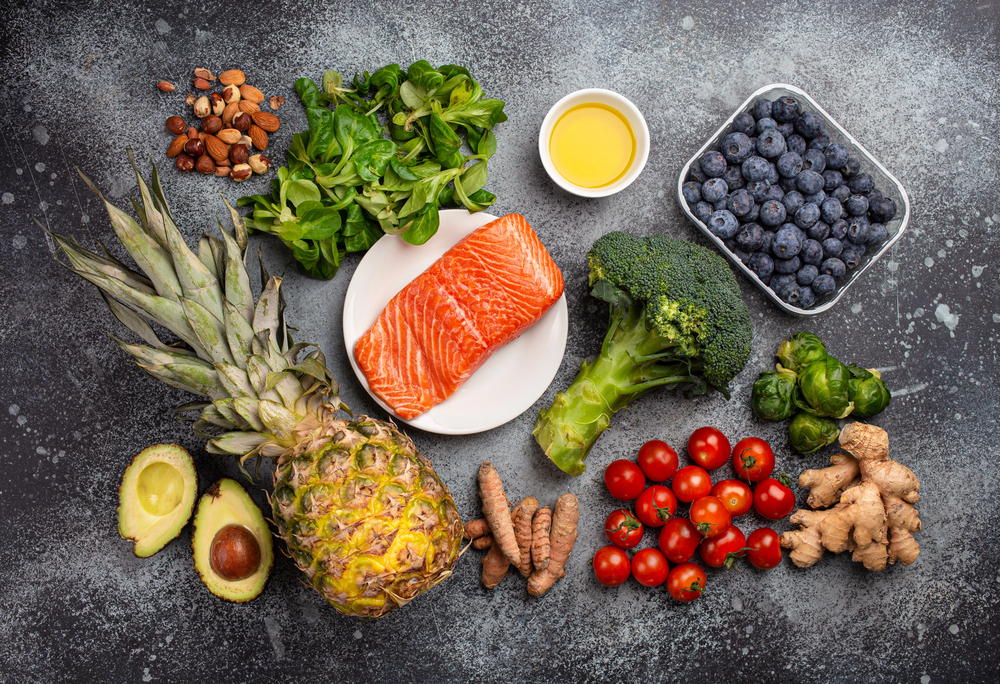
Turmeric contains curcumin, one of the most extensively studied natural anti-inflammatory compounds in pharmacological research. More than 100 clinical trials have examined curcumin’s anti-inflammatory effects, and many have shown reductions in inflammatory biomarkers comparable to pharmaceutical anti-inflammatory agents — without the associated side effects. Curcumin works by inhibiting NF-kB, a molecular pathway that plays a central role in activating genes involved in the inflammatory response. The critical practical detail: curcumin is poorly bioavailable on its own, absorbing into the bloodstream at very low rates. Combining turmeric with black pepper — which contains piperine — increases curcumin absorption by up to 2,000%.
Dark Leafy Greens: Foundational Foods That Reduce Inflammation
Spinach, kale, Swiss chard, arugula, and collard greens are dense with antioxidants — compounds that neutralize free radicals, the unstable molecules that trigger and perpetuate inflammatory responses. These greens also provide high concentrations of vitamins E and K and a range of polyphenols with well-documented anti-inflammatory properties. Population studies consistently show that higher leafy green consumption is associated with lower levels of inflammatory markers including CRP. As foods that reduce inflammation go, dark leafy greens offer arguably the best combination of anti-inflammatory potency and overall nutritional value.
Berries: Colorful Foods That Reduce Inflammation
Blueberries, strawberries, blackberries, cherries, and raspberries derive their deep colors from anthocyanins — a class of flavonoid compounds with powerful antioxidant and anti-inflammatory properties. Research has demonstrated that regular berry consumption reduces CRP levels, improves endothelial function, and has specific anti-inflammatory effects in brain tissue relevant to cognitive aging. A Harvard-based study involving tens of thousands of participants found that women consuming two or more weekly servings of strawberries had measurably lower CRP levels than infrequent consumers. Berries are among the most enjoyable foods that reduce inflammation to incorporate regularly.
Extra Virgin Olive Oil: The Mediterranean Secret
Extra virgin olive oil (EVOO) is a cornerstone of the Mediterranean diet — the dietary pattern most consistently associated with reduced risk of cardiovascular disease, cognitive decline, and inflammation-related conditions in large-scale epidemiological research. EVOO contains oleocanthal, a phenolic compound that inhibits cyclooxygenase enzymes — the same target as ibuprofen — producing anti-inflammatory effects through your food rather than a pharmaceutical. EVOO also contains oleic acid and dozens of other polyphenols with independent anti-inflammatory activity. Studies have shown that switching from other cooking fats to EVOO produces measurable reductions in inflammatory markers within weeks.
Building an Anti-Inflammatory Diet
No single food that reduces inflammation will cancel out an otherwise poor dietary pattern. The most meaningful results come from consistently eating a diet rich in these and other anti-inflammatory foods while limiting the major dietary drivers of inflammation: refined sugars and carbohydrates, processed foods high in trans fats and additives, excess alcohol, and ultra-processed foods. The anti-inflammatory dietary pattern is not a restrictive diet — it’s an additive one. Focus on adding more of the foods that reduce inflammation rather than on eliminating everything else at once, and let the gradual improvements compound over time.Understanding which foods that reduce inflammation you should prioritize in your diet is one of the most actionable things you can do for your long-term health. Chronic low-grade inflammation — the persistent, systemic kind rather than the acute inflammation that follows an injury — is now recognized by medical researchers as a foundational driver of the most common and deadly diseases: cardiovascular disease, type 2 diabetes, certain cancers, Alzheimer’s disease, and autoimmune conditions. The good news is that the foods you eat have a direct, measurable impact on your body’s inflammatory load. Here are five categories of foods that reduce inflammation with the strongest scientific evidence.
Foods That Reduce Inflammation: Fatty Fish Top the List
Fatty fish — salmon, sardines, mackerel, herring, and anchovies — are among the most potent foods that reduce inflammation available. They’re rich in long-chain omega-3 fatty acids, specifically EPA (eicosapentaenoic acid) and DHA (docosahexaenoic acid), which directly counteract the pro-inflammatory eicosanoids produced from omega-6 fatty acids. Multiple meta-analyses of clinical trials have confirmed that regular fatty fish consumption reduces circulating inflammatory markers including C-reactive protein (CRP) and interleukin-6. The American Heart Association recommends at least two servings of fatty fish per week for cardiovascular health, and the anti-inflammatory mechanisms explain a significant portion of this benefit.