The 5G and 6G conversation has generated enormous hype for years — but separating marketing promises from measurable reality requires looking at what’s actually been deployed, where it’s actually working, and what the honest timeline for 6G actually looks like. The 5G and 6G story in 2026 is more nuanced than either the enthusiastic press releases or the disappointed skeptics suggest. Here’s a grounded assessment of where connectivity technology actually stands.
Where 5G Connectivity Actually Stands in 2026
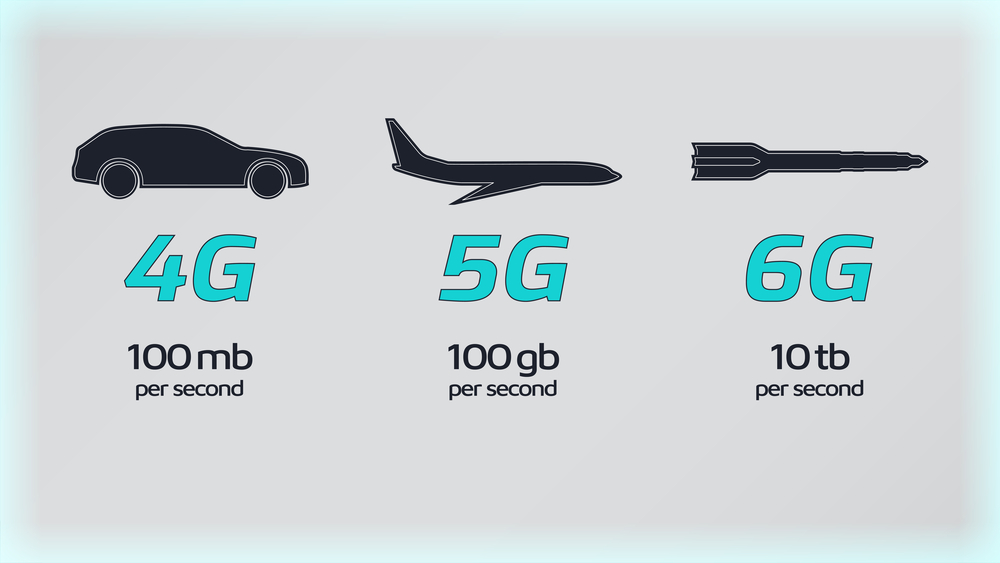
5G connectivity is real, it’s widely deployed, and it’s meaningfully faster than 4G in areas with good coverage. The 5G most users actually experience — sub-6GHz 5G — delivers speeds typically 2 to 4 times faster than 4G LTE with improved latency. This is a genuine improvement for activities like video streaming, gaming, and video calling. The millimeter wave (mmWave) 5G that enabled the most dramatic speed demonstrations in early carrier announcements is faster still, but coverage remains limited to dense urban environments and specific indoor venues.
The gap between 5G’s promised capabilities and everyday user experience has fueled criticism — but this framing misses where 5G is delivering real value in 2026. Private 5G networks in manufacturing facilities are enabling real-time robotic coordination and quality control. Hospital networks are using 5G for high-resolution medical imaging and telemedicine infrastructure. Smart city pilots are using it for traffic management and utility monitoring. These industrial applications represent where 5G’s technical advantages are most fully realized.
5G Coverage Expansion: The Real Story
The more important 5G story for everyday consumers in 2026 isn’t about speed benchmarks — it’s about coverage expansion. All three major US carriers have substantially extended 5G coverage into suburban and rural areas previously served only by 4G. The ongoing build-out of mid-band 5G spectrum, which delivers a better balance of speed and coverage than either sub-6GHz or mmWave, has improved the experience for the majority of 5G users. The network reliability and indoor penetration have also improved significantly as the infrastructure matures.
6G: What Research Is Actually Showing
6G connectivity research is active at universities, government agencies, and major technology companies worldwide. The International Telecommunication Union has published initial 6G framework documents, and the standardization process that will ultimately define 6G is underway. Current 6G research focuses on several capabilities beyond 5G: dramatically higher theoretical speeds (measured in terabits per second rather than gigabits), integrated terrestrial and satellite networks that extend coverage to currently unreachable areas, more sophisticated AI integration into the network itself, and improved energy efficiency.
Commercial 6G deployment is expected in the early 2030s, following the decade-approximately cycle that characterized the 3G to 4G to 5G progression. The groundwork being laid now — in spectrum research, hardware development, and standardization — will determine the shape of 6G when it arrives.
What 5G and 6G Connectivity Mean for Everyday Users
For most consumers, the connectivity story that matters most right now isn’t about 5G speeds versus 4G speeds — it’s about coverage reliability and consistency. The continued expansion of mid-band 5G networks is delivering meaningful improvements to everyday call quality, data speeds, and connection reliability across a growing portion of the country. For technology users, the practical implication of 5G and 6G development is an increasingly connected physical world: more devices, more real-time data, and more AI-powered services that depend on reliable, high-speed connectivity. The infrastructure being built today is the foundation for the next decade of technology.